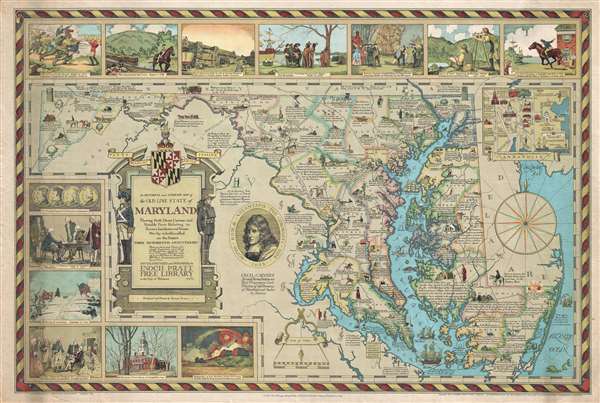
Maryland’s founding story is about much more than just land and money. Back in 1632, it was created as a safe place for English Catholics who faced discrimination back home. At the same time, it served as a key part of England’s plan to build a thriving colony in North America, one where agriculture, especially tobacco farming, could bring in profits.
In this post, we’ll explore the real reasons behind Maryland’s founding, the people who made it happen, and how this small colony’s beginnings shaped its unique place in American history.
Who Founded Maryland and When?
The Role of George Calvert (Lord Baltimore)
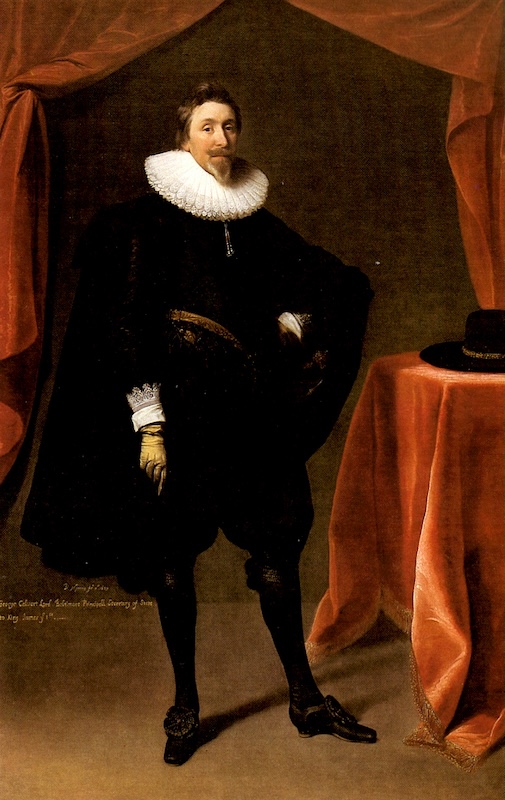
Maryland’s founding begins with George Calvert, better known as Lord Baltimore. Born in 1579, Calvert was an English politician and a devout Catholic during a time when Catholics faced severe persecution in Protestant England. Frustrated by the restrictions placed on his faith, he dreamed of creating a colony where Catholics could live safely and practice their religion freely.
His vision wasn’t just about religion, Calvert also wanted to establish a prosperous settlement that could benefit England economically. After resigning from his position in the English government, he petitioned King Charles I for a charter to start a new colony in America.
Cecilius Calvert’s Charter
Unfortunately, George Calvert died in 1632, before his dream could become reality. The responsibility of founding the colony fell to his son, Cecilius Calvert, who inherited the title of the second Lord Baltimore.
Cecilius Calvert was just as committed to his father’s vision. He successfully secured the royal charter from King Charles I that officially granted him the rights to settle and govern the land that would become Maryland. Although Cecilius never set foot in the colony himself, he managed its affairs from England and sent the first group of settlers to establish Maryland.
Date of Founding
1632: King Charles I granted the charter to Cecilius Calvert, officially creating the Province of Maryland.
1634: The first settlers aboard the ships Ark and Dove arrived, landing near the mouth of the Potomac River and founding St. Mary’s City, the first settlement in Maryland.
What Was the Purpose of the Maryland Colony?
Religious Freedom for Catholics
One of the main reasons Maryland was founded was to provide a safe haven for English Catholics. In England, Catholics faced legal penalties and social discrimination under Protestant rule. Even in other English colonies, like Massachusetts Bay, Puritan leaders persecuted Catholics and other religious minorities. Maryland offered a rare chance for Catholics to live and worship openly without fear of punishment.
Economic Opportunity
Beyond religion, Maryland was also created to be an economic venture. The colony offered generous land grants to settlers, encouraging families and investors to move there. Tobacco quickly became the cash crop that fueled Maryland’s economy, and farming it required a lot of labor.
To meet this demand, Maryland used indentured servitude, a system where people worked for several years in exchange for passage to America and eventual freedom. This helped build the colony’s agricultural base and attracted settlers looking for a new start.
Political Power & English Expansion
Maryland’s location along the Chesapeake Bay was strategically important. It acted as a buffer zone between the English colony of Virginia to the south and Dutch and Spanish territories to the north and west. Establishing Maryland helped England secure more control over North America and push back against competing European powers.
What Religion Was Maryland Originally Founded For?
Maryland was unique among the early English colonies because it was originally founded as a refuge for Catholics. At a time when many colonies enforced strict religious uniformity, Maryland stood out for its relatively tolerant approach, at least for Christian denominations.
Here’s a quick comparison of religious tolerance in some early colonies:
ColonyReligion SupportedTolerance?MarylandCatholicismYes (for all Christians)Massachusetts BayPuritanismNoPennsylvaniaQuakerismYes (broad tolerance)VirginiaAnglicanismLimited tolerance
The Maryland Toleration Act of 1649
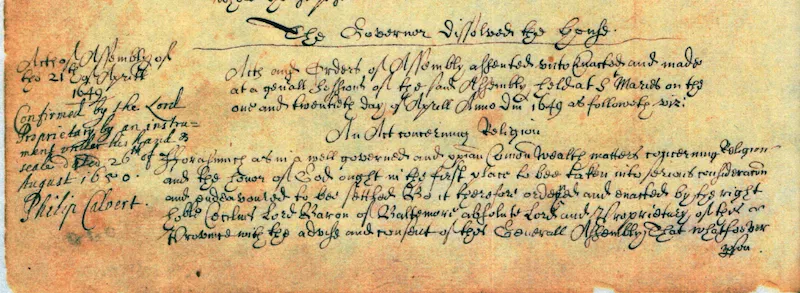
In an effort to protect Catholic settlers and promote peace among different Christian groups, Maryland passed the Toleration Act of 1649 (also known as the Act Concerning Religion). This was one of the first laws in the colonies to grant religious freedom to all Christians, making it illegal to harass someone based on their Christian beliefs.
While the act didn’t extend tolerance to non-Christians, it marked an early step toward religious liberty in America and set Maryland apart from colonies with strict religious control.
Was Maryland the Only Catholic Colony?
While Maryland is famously known as the only English colony founded with a specific goal to support Catholics, it wasn’t the only colony with a strong religious identity.
Here’s a brief look at some other early American colonies and their religious affiliations:
Pennsylvania: Founded by William Penn as a haven for Quakers, Pennsylvania promoted broad religious tolerance and welcomed many different faiths.
Massachusetts Bay: Established by Puritans, this colony enforced strict Puritan religious practices and was not tolerant of other denominations.
Rhode Island: Known for its early commitment to religious freedom, it welcomed many persecuted groups, including Baptists and Quakers.
However, Maryland remains unique as the only English colony officially created to be a refuge for Catholics. Its charter explicitly reflected this goal, and the colony’s early laws supported Catholic worship in a way no other English colony did at the time.
How Did Maryland’s Founding Affect U.S. History?
Maryland’s establishment as a colony founded on principles of religious tolerance set important precedents for the future United States.
A Precedent for Religious Freedom
Maryland was one of the first places in the English colonies to formally protect religious liberty, at least for Christians, through the Maryland Toleration Act of 1649. This early example of legal tolerance paved the way for broader ideas about religious freedom in America.Influence on the First Amendment
The concept of allowing diverse religious practices without government interference, which Maryland helped pioneer, influenced the drafting of the First Amendment to the U.S. Constitution. This amendment guarantees freedom of religion as a fundamental right.A Model of Early Tolerance Despite Change
Though Maryland eventually became predominantly Protestant and saw conflicts over religion, its early efforts remain a notable example of coexistence and compromise during a time when such ideas were rare.
Maryland’s founding principles helped shape the American value of religious liberty that continues to be a cornerstone of the nation.
Maryland’s complex history of religious freedom and political power struggles eventually contributed to its unique identity during the American Civil War. The state’s flag, which incorporates the heraldic banners of the Calvert and Crossland families, symbolizes this division and reunion. Learn more about the fascinating story behind the Maryland flag and its Civil War symbolism in our detailed post.
Timeline of Maryland’s Founding and Early History
Year: Event
1625: George Calvert converts to Catholicism
1632: Charter granted by King Charles I
1634: First settlers arrive (Ark and Dove)
1649: Maryland Toleration Act passed
1689: Protestants rebel, Catholics lose power
FAQs About Maryland’s Founding
Why was Maryland named “Maryland”?
Maryland was named in honor of Queen Henrietta Maria, the wife of King Charles I of England. The name reflected the Calverts’ loyalty to the crown and paid tribute to the queen.
What Native American tribes lived there before colonization?
Before English settlers arrived, the area that became Maryland was home to several Native American tribes, including the Piscataway, Yaocomico, and other Algonquian-speaking peoples who lived along the Chesapeake Bay.
Was Maryland successful as a Catholic haven?
Maryland had mixed success in this goal. While it initially provided religious freedom for Catholics through the Toleration Act, tensions and conflicts between Catholics and Protestants eventually grew. By the late 1600s, Protestants gained political control, limiting Catholic influence.
What did Maryland export?
The colony’s economy largely depended on tobacco farming, which was its main cash crop and export product. Tobacco plantations shaped much of Maryland’s early society and labor systems.
What happened to Maryland during the American Revolution?
Maryland joined the American Revolution, supporting independence from British rule. It became the 7th state to ratify the U.S. Constitution and played an active role in the early years of the new nation.